




Industrial gearboxes are built to operate under demanding conditions, but even the strongest gearbox can fail when small mechanical problems go unnoticed. In heavy-duty environments such as manufacturing, mining, oil and gas, food processing, plastics, pulp and paper, wastewater treatment, and power generation, gearbox failure can quickly lead to unplanned downtime, lost production, and expensive emergency repairs.
Most industrial gearbox failures do not happen suddenly. They usually develop over time through a combination of wear, heat, vibration, contamination, lubrication issues, misalignment, or excessive load. The key to reducing downtime is understanding the warning signs and knowing how experienced repair teams diagnose the root cause before rebuilding or replacing the unit.
Why Industrial Gearbox Failure Matters
An industrial gearbox is responsible for transferring power, controlling torque, and keeping connected equipment operating at the right speed and load. When a gearbox fails, the problem often affects more than one machine. A failed gearbox can stop a conveyor, mixer, extruder, kiln, crusher, mill, pump, hoist, cooling tower, or production line.
For maintenance teams, the challenge is not only repairing the damaged gearbox. The bigger challenge is identifying why it failed in the first place. Rebuilding a gearbox without understanding the root cause can lead to repeat failure after the unit is placed back into service.
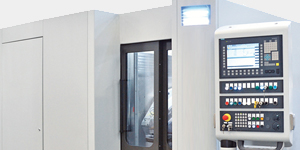
That is why a proper diagnostic process is critical. See Figure 1.

1 Lubrication Problems
Lubrication failure is one of the most common causes of industrial gearbox damage. Gearboxes depend on the right oil type, viscosity, oil level, and cleanliness to protect gears, bearings, shafts, and seals. When lubrication breaks down, friction increases, heat builds up, and internal components begin to wear faster.
Common lubrication-related problems include:
- Low oil level.
- Wrong lubricant type.
- Oil contamination.
- Old or oxidized oil.
- Poor lubrication flow.
- Foaming.
- Water intrusion.
- Excessive operating temperature.
When a gearbox runs with poor lubrication, the internal surfaces can become scored, pitted, overheated, or discolored. Bearings may wear unevenly, gear teeth may show signs of distress, and seals may begin to fail.
How repair teams diagnose it
Repair teams often begin by inspecting the lubricant. They look for metal particles, water, sludge, discoloration, burnt smell, or abnormal viscosity. Oil analysis can help identify contamination, wear metals, oxidation, and other signs of internal damage.
During teardown, the repair team checks gear tooth surfaces, bearing races, shaft journals, and housing areas for evidence of lubrication breakdown. If the damage pattern points to poor lubrication, the team may recommend changes to lubricant type, oil change intervals, filtration, breathers, seals, or operating temperature controls.
2 Bearing Failure
Bearings are among the most important components inside an industrial gearbox. They support rotating shafts and help keep gears properly aligned under load. When bearings begin to fail, the gearbox may continue operating for a while, but internal damage can spread quickly.
Common signs of bearing failure include:
- Increased vibration.
- Grinding or rumbling noise.
- Rising temperature.
- Shaft movement.
- Metal particles in the oil.
- Uneven gear tooth contact.
- Seal leakage.
Bearing failure can be caused by contamination, overloading, misalignment, poor lubrication, improper installation, electrical fluting, or fatigue over time.
How repair teams diagnose it
Repair teams inspect bearings for pitting, spalling, scoring, cage damage, heat discoloration, and uneven wear. They also examine shaft fits, housing bores, and bearing seats to determine whether the bearing failed because of age, contamination, poor lubrication, or movement inside the housing.
A good repair process does not simply replace the bearing. It looks at what caused the bearing to fail. If the root issue is not corrected, the replacement bearing may fail again.
3 Gear Tooth Wear and Damage
Gear teeth are designed to carry load across a specific contact pattern. When something disrupts that pattern, damage can develop across the gear face. Over time, this can lead to pitting, scoring, cracking, broken teeth, or complete gear failure.
Common types of gear tooth damage include:
- Surface pitting.
- Scoring or scuffing.
- Tooth cracking.
- Broken teeth.
- Uneven wear.
- Overload damage.
- Misalignment wear.
- Contact pattern problems.
Gear tooth damage may come from excessive load, shock loading, misalignment, poor lubrication, contamination, improper gear mesh, or worn bearings that allow shaft movement.
How repair teams diagnose it
During inspection, repair teams examine the gear tooth contact pattern. The wear pattern can tell a lot about what is happening inside the gearbox. For example, wear concentrated on one side of the tooth may suggest misalignment. Heavy pitting may point to fatigue, lubrication problems, or overload. Broken teeth may indicate shock loading, foreign object damage, or severe internal stress.
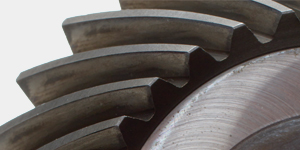
In some cases, gears can be repaired, reconditioned, or replaced. If replacement parts are obsolete or unavailable, reverse engineering and custom gear manufacturing may be required. See Figure 2.

4 Misalignment
Misalignment is another major cause of gearbox failure. A gearbox must be properly aligned with the motor, coupling, driven equipment, and internal gear train. When alignment is off, stress increases on bearings, shafts, seals, and gear teeth.
Misalignment can happen because of:
- Improper installation.
- Soft foot.
- Foundation movement.
- Thermal expansion.
- Worn couplings.
- Bent shafts.
- Loose mounting bolts.
- Housing distortion.
Even a small alignment issue can create vibration, heat, and uneven load distribution. Over time, this can damage multiple components inside the gearbox.
How repair teams diagnose it
Repair teams look for uneven bearing wear, abnormal gear tooth contact, shaft wear, coupling damage, and signs of movement at the mounting points. They may also review the installation environment and ask about recent changes to the connected equipment.
If misalignment is suspected, the repair recommendation may include checking the foundation, correcting the mounting surface, replacing couplings, inspecting shaft runout, and verifying alignment during reinstallation.
5 Overloading and Shock Loading
Industrial gearboxes are designed for specific torque, speed, and load conditions. When a gearbox is pushed beyond its design limits, internal components can fail prematurely. Overloading may happen gradually, or it may happen suddenly through shock loading.
Common causes include:
- Jammed equipment.
- Heavy startup loads.
- Process changes.
- Production increases.
- Improper gearbox selection.
- Frequent stops and starts.
- Sudden material impact.
- Operating beyond rated capacity.
Shock loading is especially common in industries such as mining, aggregate, cement, recycling, steel, and heavy manufacturing. A sudden load spike can damage gear teeth, bearings, shafts, or keys.
How repair teams diagnose it
Repair teams examine broken parts, tooth fracture patterns, shaft damage, keyway damage, and bearing condition. A clean break or severe localized damage may indicate sudden overload. Widespread wear may suggest long-term operation above the gearbox’s intended capacity.
The repair team may also ask about equipment history, recent process changes, jam events, startup conditions, and load cycles. This information helps determine whether the gearbox can be rebuilt to original specifications or whether upgrades are needed.
6 Contamination
Contamination inside a gearbox can cause serious damage. Dirt, dust, water, chemicals, and metal particles can all interfere with proper lubrication and accelerate wear. In harsh environments, contamination is one of the biggest threats to gearbox life.
Contamination may enter through:
- Damaged seals.
- Poor breathers.
- Open inspection covers.
- Improper oil handling.
- Washdown environments.
- Outdoor exposure.
- Internal wear debris.
- Poor maintenance practices.
Once contamination enters the gearbox, it can circulate through the oil and damage bearings, gears, and shafts.
How repair teams diagnose it
Repair teams check the oil, seals, breathers, housing condition, and internal surfaces. Water contamination may leave rust, staining, or milky oil. Dirt and debris may cause scoring or abrasive wear. Metal particles may indicate internal component failure already in progress.
The repair recommendation may include upgraded seals, improved breathers, better filtration, oil flushing, or changes to maintenance procedures.
7 Excessive Heat
Heat is both a symptom and a cause of gearbox failure. A gearbox that runs too hot can damage oil, seals, bearings, and gears. Excessive heat can come from overloading, poor lubrication, high ambient temperature, misalignment, friction, or inadequate cooling.
Warning signs include:
- Burnt oil smell.
- Discolored components.
- Hardened or cracked seals.
- Paint discoloration.
- Frequent oil breakdown.
- Higher-than-normal operating temperature.
- When heat continues over time, the gearbox may suffer accelerated wear and reduced service life.
How repair teams diagnose it
Repair teams inspect oil condition, seals, bearings, gear surfaces, and housing areas for signs of heat damage. They may also review the gearbox’s operating environment, duty cycle, cooling system, and lubricant specifications.
A proper diagnosis may reveal that the gearbox itself is not the only problem. The unit may be operating in conditions that exceed its original design.
8 Seal Failure and Leakage
Seals keep lubricant inside the gearbox and help prevent contamination from entering. When seals fail, oil levels can drop and contaminants can get inside. Even a small leak can turn into a major problem if it is ignored.
Seal failure may be caused by:
- Shaft wear.
- Excessive pressure.
- Heat.
- Misalignment.
- Improper installation.
- Contamination.
- Worn bearings.
- Damaged seal surfaces.
How repair teams diagnose it
Repair teams inspect the seals, shaft surfaces, bearing condition, and internal pressure indicators. If a seal failed because of shaft movement or worn bearings, replacing the seal alone will not solve the problem.
A good repair team looks beyond the leak and determines what caused the seal to fail.
The Diagnostic Process: What Happens During Gearbox Repair
When an industrial gearbox arrives for repair, the diagnostic process typically includes several steps.
Visual Inspection
The repair team begins with a visual inspection of the housing, shafts, seals, mounting points, oil condition, and external damage. They may look for cracks, leakage, overheating, impact marks, missing hardware, or signs of improper installation.
Operational History Review
A repair team may ask how the gearbox was operating before failure. Important questions include:
- Was there unusual noise?
- Did vibration increase?
- Was the gearbox overheating?
- Was there a sudden shutdown?
- Was the oil changed recently?
- Were there process changes?
- Did the connected equipment jam?
- Has the gearbox failed before?
This information helps narrow down the likely cause of failure.
Teardown and Internal Inspection
The gearbox is disassembled so the internal components can be inspected. Gears, bearings, shafts, seals, housings, keys, and fasteners are examined for wear and damage. The team looks for patterns that reveal the cause of failure.
Measurement and Tolerance Checks
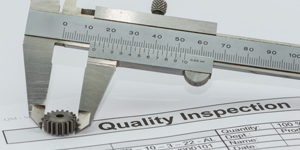
Critical components are measured to determine whether they are still within tolerance.
This may include checking shaft journals, bearing fits, gear backlash, housing bores, and gear tooth condition. If parts are worn beyond acceptable limits, they may need to be repaired, replaced, or manufactured.
Failure Pattern Analysis
The repair team studies how the parts failed. Damage patterns can reveal whether the root cause was lubrication failure, overload, contamination, misalignment, bearing failure, heat, or improper installation.
Repair Plan and Rebuild Recommendations
After diagnosis, the repair team creates a repair plan. Depending on the condition of the gearbox, this may include:
- Bearing replacement.
- Seal replacement.
- Gear repair or replacement.
- Shaft repair or replacement.
- Housing repair.
- Gear manufacturing.
- Reverse engineering.
- Cleaning and flushing.
- Reassembly.
- Testing.
- Paint and final inspection.
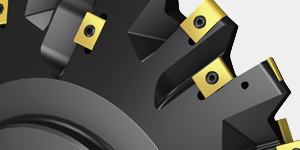
The goal is not only to restore the gearbox but also to reduce the chance of repeat failure. See Figure 3.

Why Root Cause Diagnosis Is So Important
Replacing damaged parts without identifying the cause of failure can lead to the same problem happening again. For example, if a bearing fails because of misalignment, a new bearing may fail again unless the alignment issue is corrected.
If gear teeth are damaged because of poor lubrication, new gears may not last unless the lubrication problem is solved.
Root cause diagnosis helps maintenance teams make better decisions. It can also help facilities improve preventive maintenance, reduce downtime, and extend the life of critical equipment.
When to Send a Gearbox for Repair
A gearbox should be inspected as soon as warning signs appear. Waiting too long can turn a repairable problem into a more expensive rebuild or replacement.
Common warning signs include:
- Unusual noise.
- Increased vibration.
- Oil leakage.
- Overheating.
- Metal particles in oil.
- Decreased performance.
- Frequent seal failure.
- Visible shaft movement.
- Burning smell.
- Sudden shutdown.
When vibration, overheating, oil contamination, or gear tooth wear points to a developing failure, working with an experienced provider of industrial gearbox repair services can help facilities identify the root cause before downtime becomes more expensive.
When these symptoms appear, the safest step is to stop guessing and have the gearbox evaluated by an experienced repair team.
Final Thoughts
Industrial gearbox failure is often the result of several issues working together. A lubrication problem can lead to bearing wear. Bearing wear can cause misalignment. Misalignment can damage gear teeth. Gear tooth damage can create debris that contaminates the oil and accelerates failure throughout the unit.
That is why proper diagnosis matters.
An experienced industrial gearbox repair team looks at the complete picture: lubrication, bearings, gears, shafts, seals, alignment, load conditions, contamination, and operating history.
By identifying the root cause of failure, maintenance teams can make smarter repair decisions, reduce repeat breakdowns, and keep critical equipment running longer.
For industrial facilities, the goal is not just to fix a gearbox after it fails. The goal is to understand why it failed, repair it correctly, and prevent the same problem from happening again.


